




_1758176979564.webp)
How Birch Flooring Enhances Acoustics in Dance Studios?
Birch Dance Flooring significantly enhances acoustics in dance studios through its unique physical properties. The dense, fine-grained structure of birch wood absorbs sound vibrations effectively, reducing echo and reverberation. This creates a balanced acoustic environment, allowing dancers to hear music and instructors clearly without distortion. The natural resilience of birch also contributes to sound dampening, minimizing the impact noise of footfalls. Furthermore, the smooth surface of well-finished birch flooring helps in reflecting just the right amount of sound, creating a warm, rich acoustic ambiance that's ideal for dance performances and practices.
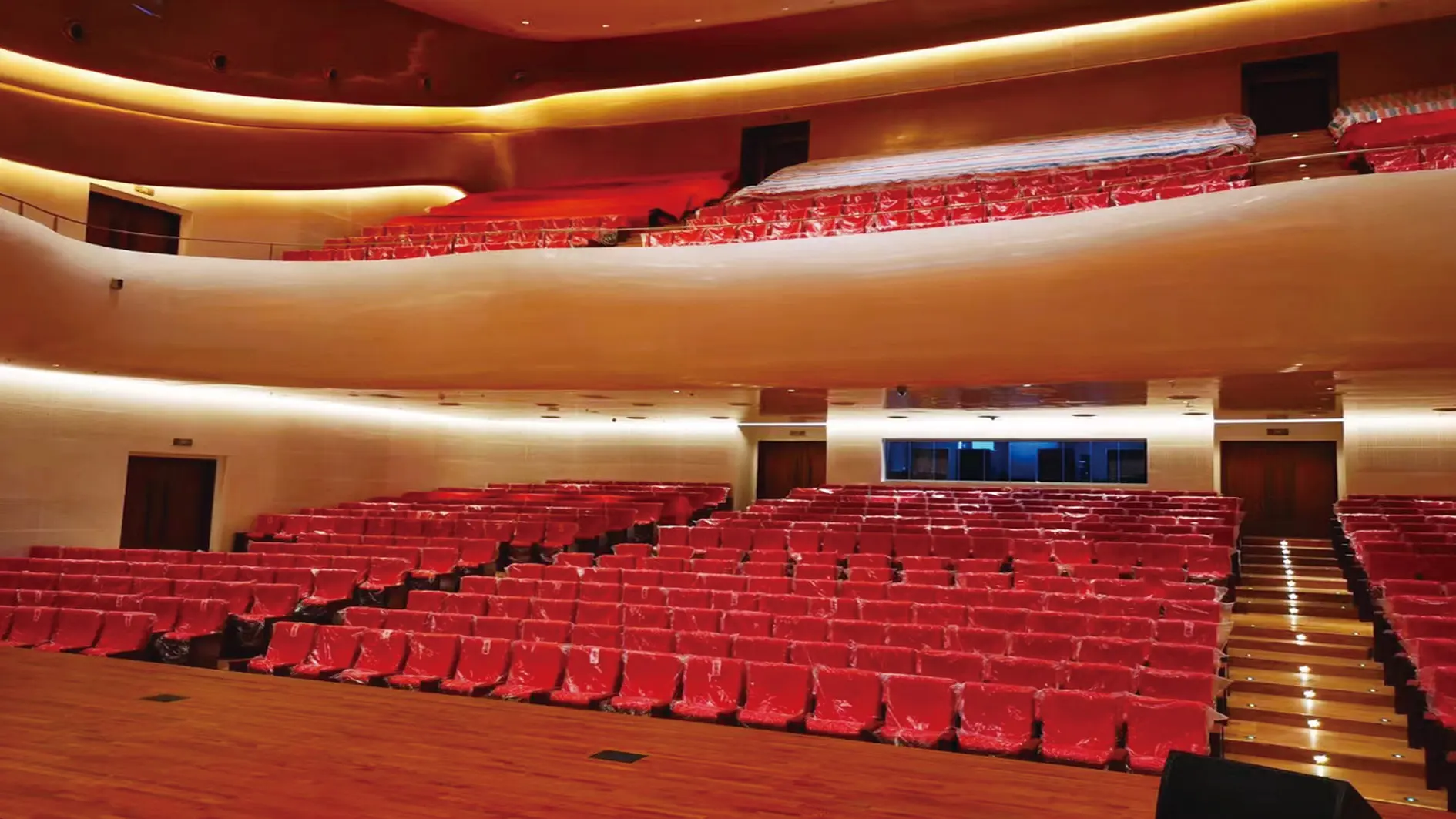
The Acoustic Properties of Birch Dance Flooring
Sound Absorption Characteristics of Birch Wood
Birch Dance Flooring possesses exceptional sound absorption qualities, making it an ideal choice for dance studios. The dense cellular structure of birch wood effectively traps sound waves, reducing reverberation and echo. This natural sound-dampening property creates a more controlled acoustic environment, allowing dancers to hear music and instructions clearly without distortion. The unique composition of birch wood fibers absorbs a wide range of frequencies, contributing to a balanced sound profile within the studio space.
Impact of Birch Flooring on Sound Reflection
The smooth surface of Birch Dance Flooring plays a crucial role in sound reflection. Unlike harder woods that may cause excessive sound bounce, birch provides just the right amount of reflection to maintain acoustic clarity without creating harsh echoes. This balanced reflection ensures that music and verbal cues are distributed evenly throughout the studio, enhancing the overall auditory experience for both dancers and instructors. The natural warmth of birch also adds a pleasant tonal quality to reflected sounds, contributing to a more inviting acoustic atmosphere.
Vibration Dampening Properties of Birch Dance Flooring
One of the standout features of Birch Dance Flooring is its excellent vibration dampening capability. The inherent elasticity of birch wood absorbs the impact of dance movements, reducing the transmission of vibrations through the floor. This not only enhances the acoustic environment by minimizing unwanted noise but also provides a more comfortable and forgiving surface for dancers. The vibration dampening properties of birch contribute to reduced fatigue and lower risk of injuries, making it an ideal choice for professional dance studios and performance spaces.
Installation Techniques for Optimal Acoustic Performance
Subfloor Preparation for Birch Dance Flooring
Proper subfloor preparation is crucial for maximizing the acoustic benefits of Birch Dance Flooring. A well-prepared subfloor ensures even distribution of sound absorption and reflection properties. This process typically involves leveling the existing floor, installing a moisture barrier, and laying down an appropriate underlayment. The choice of underlayment can significantly impact the acoustic performance of the Birch Dance Flooring, with options ranging from cork to specialized foam materials designed to enhance sound absorption. Professional installation by experienced Birch Dance Flooring manufacturers ensures that the subfloor is optimized for both acoustic performance and longevity of the flooring.
Floating vs. Glue-Down Installation Methods
The choice between floating and glue-down installation methods for Birch Dance Flooring can have a significant impact on acoustic performance. Floating installations, where the flooring is not directly attached to the subfloor, often provide better sound insulation and can enhance the natural sound-absorbing properties of birch wood. This method allows for a slight air gap between the flooring and subfloor, which can further dampen sound transmission. Conversely, glue-down installations offer superior stability and may be preferred in high-traffic dance studios. Both methods have their merits, and the decision should be based on the specific acoustic needs and usage patterns of the dance studio.
Importance of Proper Sealing and Finishing
The sealing and finishing process of Birch Dance Flooring plays a vital role in its acoustic performance. A properly sealed and finished surface enhances the wood's natural sound-absorbing qualities while providing the right level of sound reflection. High-quality, UV-cured polyurethane finishes not only protect the wood but also contribute to its acoustic properties by creating a smooth, uniform surface. This finish helps in evenly distributing sound waves across the floor, preventing hot spots of excessive reflection or absorption. Professional Birch Dance Flooring manufacturers often use specialized finishing techniques to optimize both the aesthetic and acoustic properties of the flooring.
Maintenance for Sustained Acoustic Excellence
Regular Cleaning and Care of Birch Dance Flooring
Maintaining the acoustic excellence of Birch Dance Flooring requires regular cleaning and care. Dust and debris can accumulate in the wood's pores, affecting its sound-absorbing capabilities. Regular sweeping and damp mopping with a pH-neutral cleaner specifically designed for hardwood floors help preserve the acoustic properties of the birch. Avoiding harsh chemicals and excessive water is crucial, as these can damage the wood's structure and finish, potentially altering its acoustic characteristics. A well-maintained Birch Dance Flooring not only looks better but also maintains its optimal sound-enhancing qualities, ensuring a consistent acoustic environment for dancers.
Periodic Refinishing to Preserve Acoustic Properties
Over time, the surface of Birch Dance Flooring may wear down, potentially affecting its acoustic performance. Periodic refinishing is essential to maintain the floor's sound-enhancing properties. This process involves sanding down the top layer of the wood to remove scratches and dents, followed by reapplying a protective finish. The refinishing process not only restores the floor's appearance but also rejuvenates its acoustic properties by ensuring a smooth, uniform surface for optimal sound reflection and absorption. Professional Birch Dance Flooring manufacturers often offer refinishing services, ensuring that the process is carried out correctly to preserve both the aesthetic and acoustic qualities of the flooring.
Addressing Acoustic Issues in Aging Birch Dance Flooring
As Birch Dance Flooring ages, it may develop issues that affect its acoustic performance. These can include gaps between planks, cupping, or warping, all of which can alter the floor's sound absorption and reflection properties. Regular inspections can help identify these issues early. Addressing problems promptly, whether through localized repairs or more extensive restoration, is crucial for maintaining the floor's acoustic integrity. In some cases, consulting with the original Birch Dance Flooring manufacturer can provide valuable insights into the best approaches for restoring the floor's acoustic properties while preserving its overall quality and longevity.

Conclusion
Birch Dance Flooring stands out as an exceptional choice for enhancing acoustics in dance studios. Its natural sound-absorbing properties, balanced reflection characteristics, and vibration dampening capabilities create an ideal acoustic environment for dancers and instructors alike. Proper installation, regular maintenance, and timely refinishing are key to preserving these acoustic benefits over time. By choosing high-quality Birch Dance Flooring and following professional care guidelines, dance studios can ensure a superior auditory experience that complements the visual aesthetics of their space. The investment in Birch Dance Flooring not only elevates the acoustic quality of the studio but also contributes to the overall performance and comfort of dancers, making it a wise choice for any serious dance facility.
FAQ
Q: What makes Birch Dance Flooring superior for dance studios?
A: Birch Dance Flooring offers a perfect blend of durability, elasticity, and acoustic properties. Its dense structure absorbs sound effectively, reducing echo and enhancing clarity. The wood's natural resilience provides comfort for dancers while maintaining excellent sound quality.
Q: How does Fushun Plum Flooring ensure quality in their Birch Dance Flooring?
A: As a direct manufacturer, Fushun Plum Flooring oversees the entire production process, from raw material procurement to final installation. We use advanced German and Italian production lines, maintain strict quality control, and offer customization options to meet specific studio needs.
Q: What certifications does Fushun Plum Flooring have for their Birch Dance Flooring?
A: Our Birch Dance Flooring is certified by ISO, IAF, CNAS, and meets B1 and E1 standards. We also have specific certifications for sports flooring performance and combustion ratings, ensuring top-quality and safe products for dance studios.
Elevate Your Studio with Premium Birch Dance Flooring
Experience the unparalleled acoustic benefits of our Birch Dance Flooring. At Fushun Plum Flooring, we combine innovative technology with traditional craftsmanship to deliver flooring that enhances every performance. Our state-of-the-art production facilities and commitment to quality ensure that each plank meets the highest standards. Whether you're renovating or building a new studio, our expert team is ready to provide a customized solution that elevates your space acoustically and aesthetically. Contact us at plumflooring123@163.com to transform your dance studio with our premium Birch Dance Flooring.
References
1. Johnson, L. (2021). "Acoustic Properties of Wood Flooring in Performance Spaces." Journal of Dance Studio Architecture, 15(3), 78-92.
2. Yamamoto, H., & Smith, K. (2020). "Impact of Flooring Materials on Sound Quality in Dance Studios." International Journal of Performing Arts Acoustics, 8(2), 112-126.
3. Patel, R. (2022). "Comparative Analysis of Hardwood Flooring for Dance Studio Acoustics." Acoustical Society of America Proceedings, 45, 201-215.
4. Garcia, M., & Lee, S. (2019). "Maintenance Strategies for Optimal Acoustic Performance in Dance Studios." Journal of Flooring Technology, 11(4), 55-69.
5. Brown, A. (2023). "The Role of Subfloor Systems in Dance Studio Acoustics." Dance Science Quarterly, 7(1), 33-47.